March, 2026
KMR cited for key contribution to nature-based environmental solutions
The Aotearoa Circle’s significant Natural Infrastructure Plan launched
Kaipara Moana Remediation’s environmental efforts have been recognised in The Aotearoa Circle’s just-launched Natural Infrastructure Plan at Parliament on March 4.
The plan calls for Aotearoa New Zealand to recognise wetlands, forests, dunes, waterways, and soils as core national infrastructure that strengthens the country’s long‑term resilience. It has been developed with the contribution of more than 200 experts.
KMR’s Acting Pou Tātaki Emma Doré says she is proud the efforts of her team, along with landowners and community groups in the Auckland and Northland catchment of Kaipara Moana who have been recognised in the plan. She believes the Natural Infrastructure Plan is important for New Zealand’s environmental wellbeing.
“The Aotearoa Circle’s Natural Infrastructure Plan is another important step in making a difference caring for the environment and we can all play a part in that by working on the kinds of nature-based solutions outlined in the Plan,” says Emma.
“So much mahi has been demonstrated around the Kaipara Moana Remediation kaupapa and the dedication of landowners to help reduce sedimentation flowing into Kaipara Moana has been immense.”
KMR’s impact over the past few years has been substantial with 2.92 million native plants in the ground or contracted to plant this winter, more than 1,800-hectares of land planted or planned, over 1,100km of fencing completed or underway and 153,000ha of land managed under KMR plans.
More than 1,400 landowners have engaged with KMR and 957 sediment reduction plans have been completed with 131 more plans currently being developed. In fact, more than half of the catchment’s pastoral landowners are now involved in the KMR programme.
Emma cites the efforts and support from KMR’s Field Advisors, funders, partners and landowners as key to the progress and believes the KMR kaupapa aligns well with the Natural Infrastructure Plan.
To support nationwide uptake of the National Infrastructure Plan, the Circle has recommended three immediate Government priorities, including formally incorporating natural infrastructure into national planning legislation and ensuring natural systems are properly valued and invested in as part of long-term infrastructure strategy. It also has recommendations for the private sector and urges people to recognise natural assets such as wetlands, forests, dunes, waterways, and soils as core infrastructure essential to economic resilience.
The Circle’s plan includes six case studies that demonstrate how applying natural infrastructure to our infrastructure challenges is not only financially cost efficient and effective but capable of delivering numerous multi-factor benefits.
The Kaipara Moana Remediation project is one of these examples.
Genevieve Smith, Principal Sustainability and Climate at Beca, who led the case study element of the Natural Infrastructure Plan, says the Kaipara Moana Remediation project is a clear example of how investing in natural infrastructure delivers multiple strong benefits.
It’s an excellent case study demonstrating a strong ROI with benefits outweighing costs,” she says. “It’s helping to deliver economic growth through regional employment and farm productivity, while also mitigating risks, protecting a valuable harbour, and supporting communities and cultural outcomes that will span generations. It will also provide a significant lift in cultural value, through the protection and revitalisation of Māori culture and practices across the catchment.
Genevieve says there were common key success factors to all the case studies included in the Natural Infrastructure Plan. In each case the inherent value of natural assets is recognised, and the services they provide have been designed to work with and enhance nature from the outset.
“We hope that public and private sector leaders can draw inspiration and ideas from case studies such as the Kaipara Moana Remediation project when considering an infrastructure investment. It demonstrates that when natural infrastructure is seen as critical infrastructure, and when nature is used to improve our resilience, we can deliver not only financial benefits but also support both community development and positive nature outcomes.”
The Aotearoa Circle Chief Executive Vicki Watson says addressing New Zealand’s infrastructure deficit of more than $200 billion, with up to $1 trillion needed over the next 30 years, coupled with climate exposure, requires new thinking.
“We can’t afford to rely solely on traditional ‘hard’ engineering solutions,” she says. “Natural infrastructure provides a 1+1=3 opportunity – it can reduce flood and erosion risk, improve biodiversity all while strengthening long-term economic resilience. It is a valuable tool in the infrastructure toolkit.”
The Kaipara Moana catchment covers 6,000km across Northland and Auckland, and includes over 3,700km2 of pastoral land and over 800km² prone to erosion. The catchment includes seven major river systems.
The catchment extends from close to Helena Bay in the north-east of Northland to the Waipoua Forest in the north-west, from the Poutō peninsula to the Whangaripo valley and almost to Warkworth, and in Auckland south-west from Taupaki, Kumeū and Helensville through to South Head.
To get on board with KMR and get planting this winter contact hono@kmr.org.nz.
To find out more about The Aotearoa Circle’s mahi check out Natural Infrastructure Plan
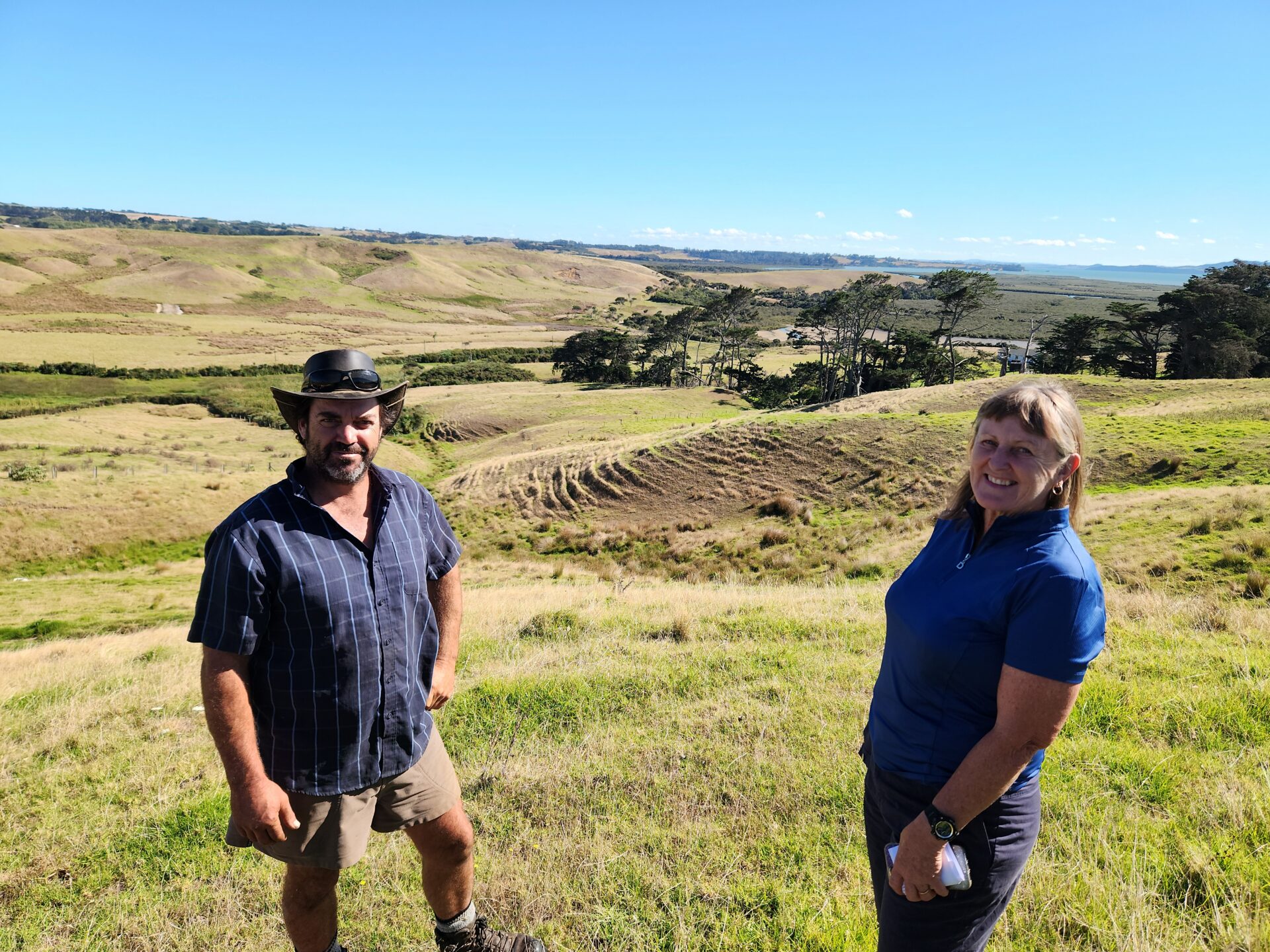
Image caption: KMR Grant recipient Jeff Bradly.
Jeff Bradly’s KMR environmental journey and associated case study here:
https://kmr.org.nz/latest-news-and-events/otakanini-topu-caring-for-the-whenua-at-south-head/
Latest News
Latest News and Events
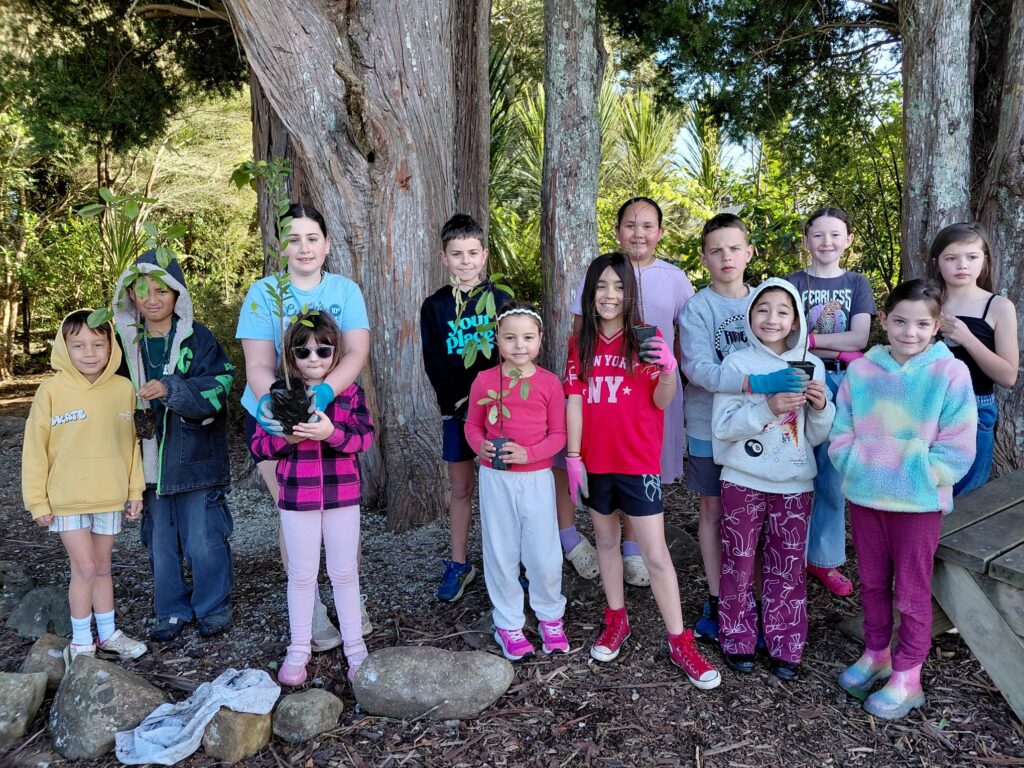
Kaurihohore School joins fast growing Kaipara Moana restoration efforts